Striving towards prosperity
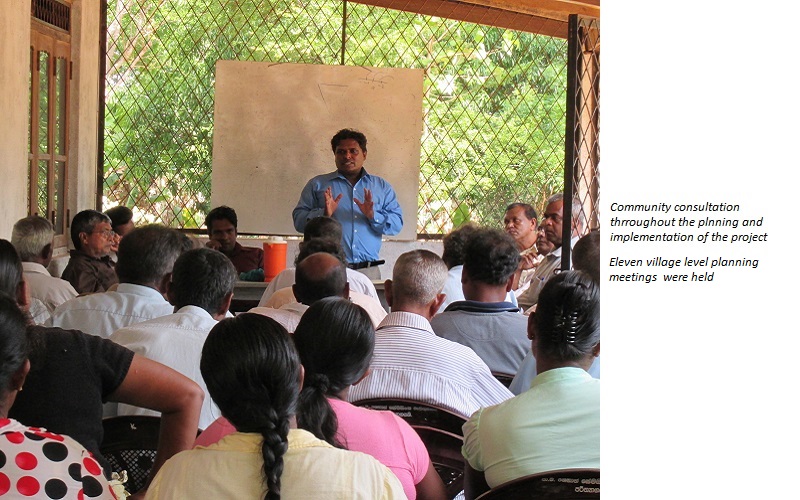
Empowering community

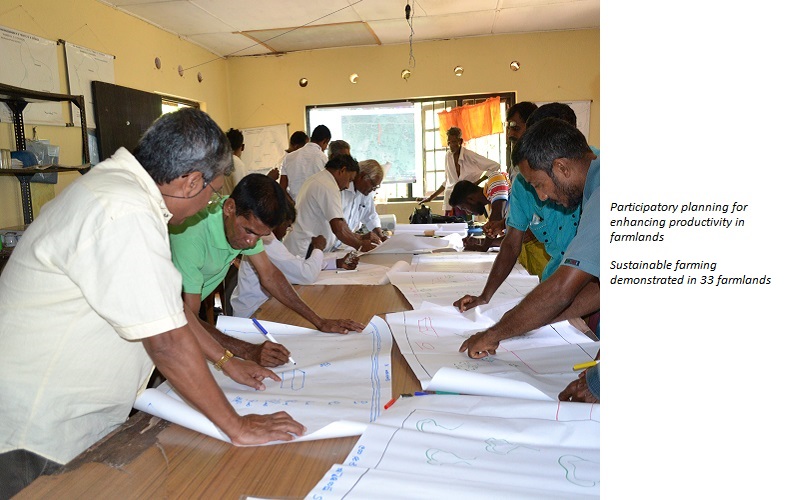
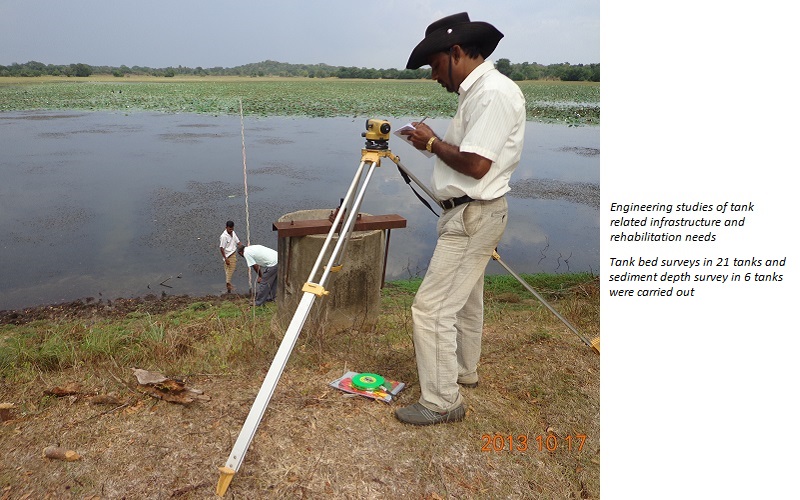
Technically sound approach
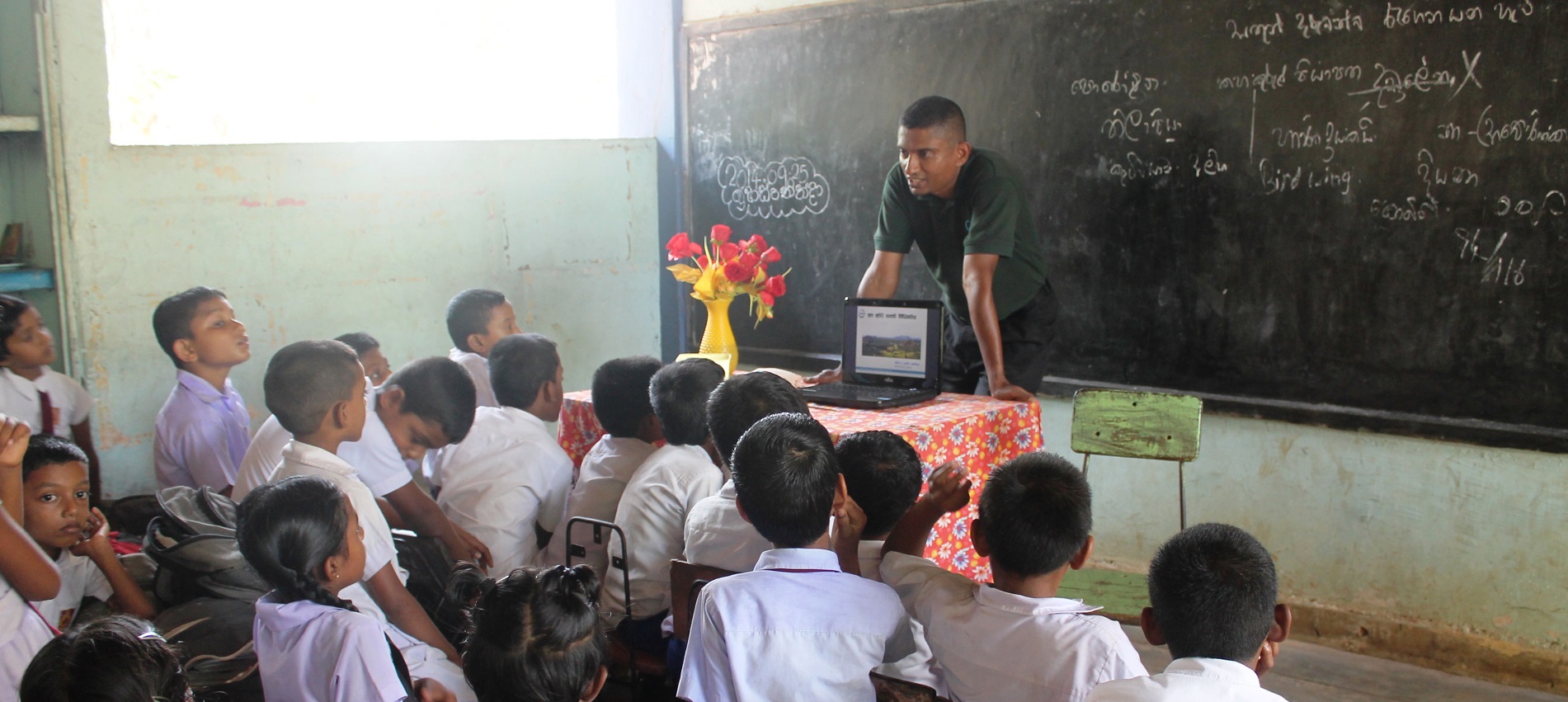
Sharing knowledge
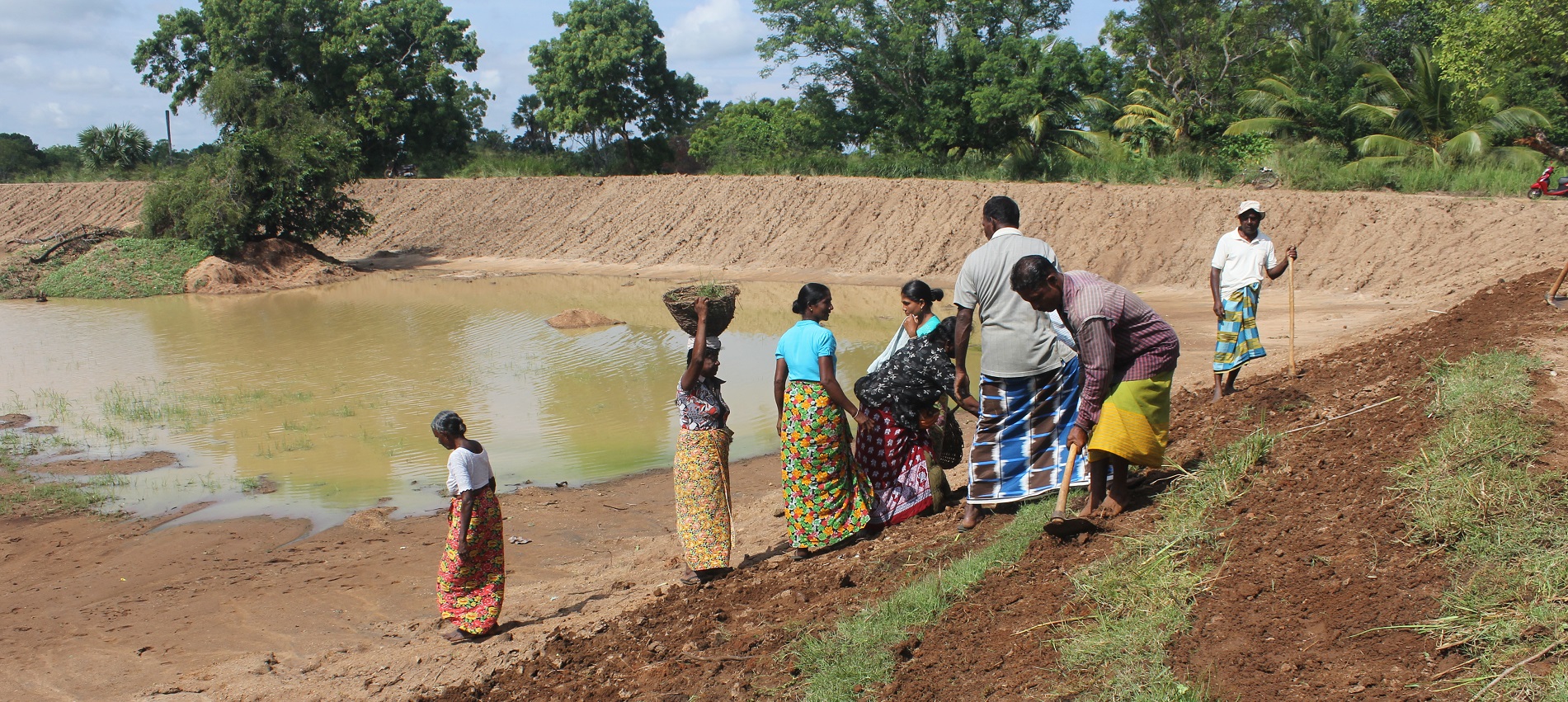
Together for us
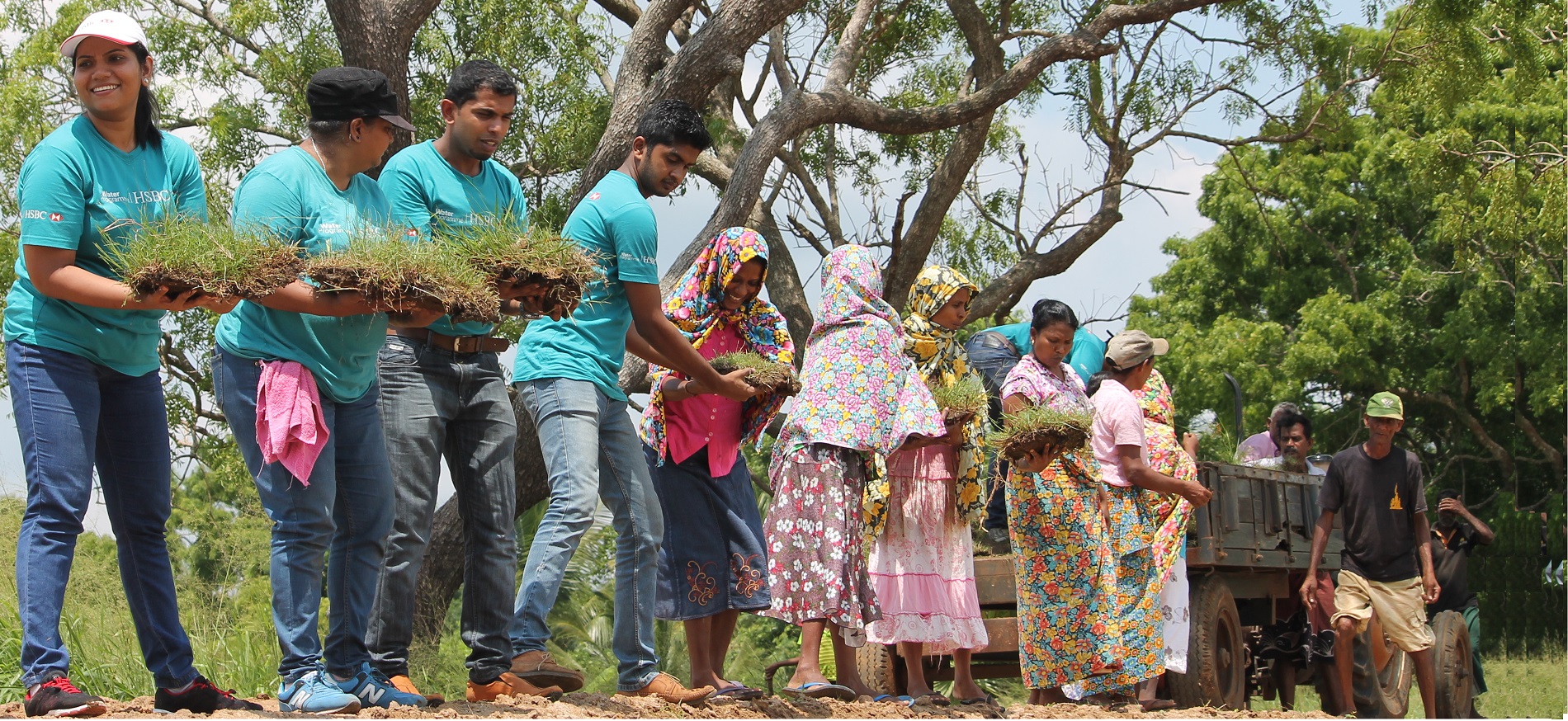
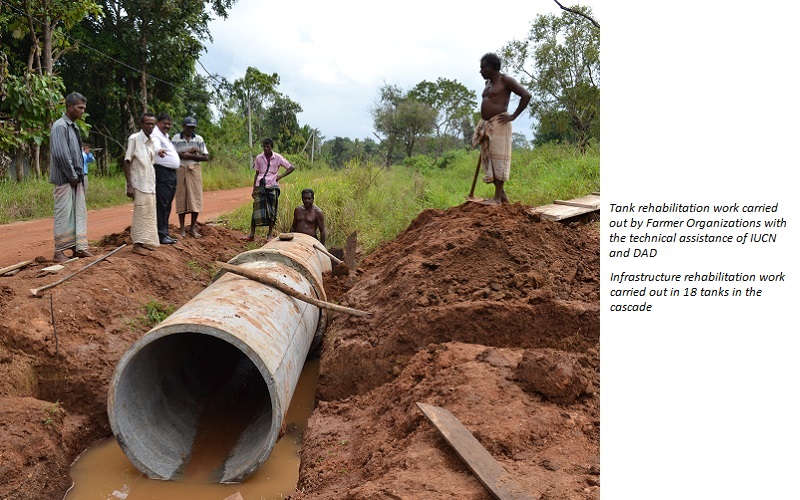
Crossing boundaries
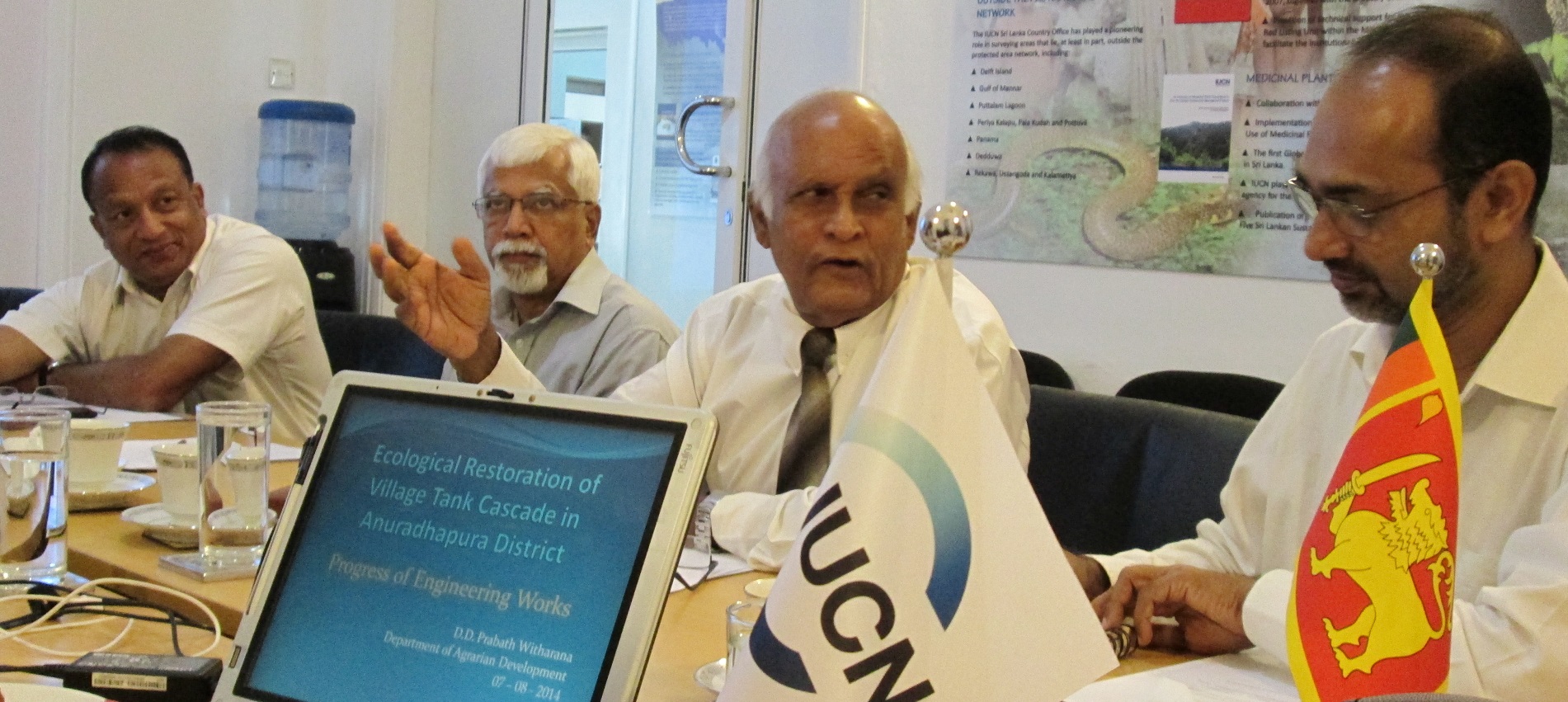
Harnessing expertise
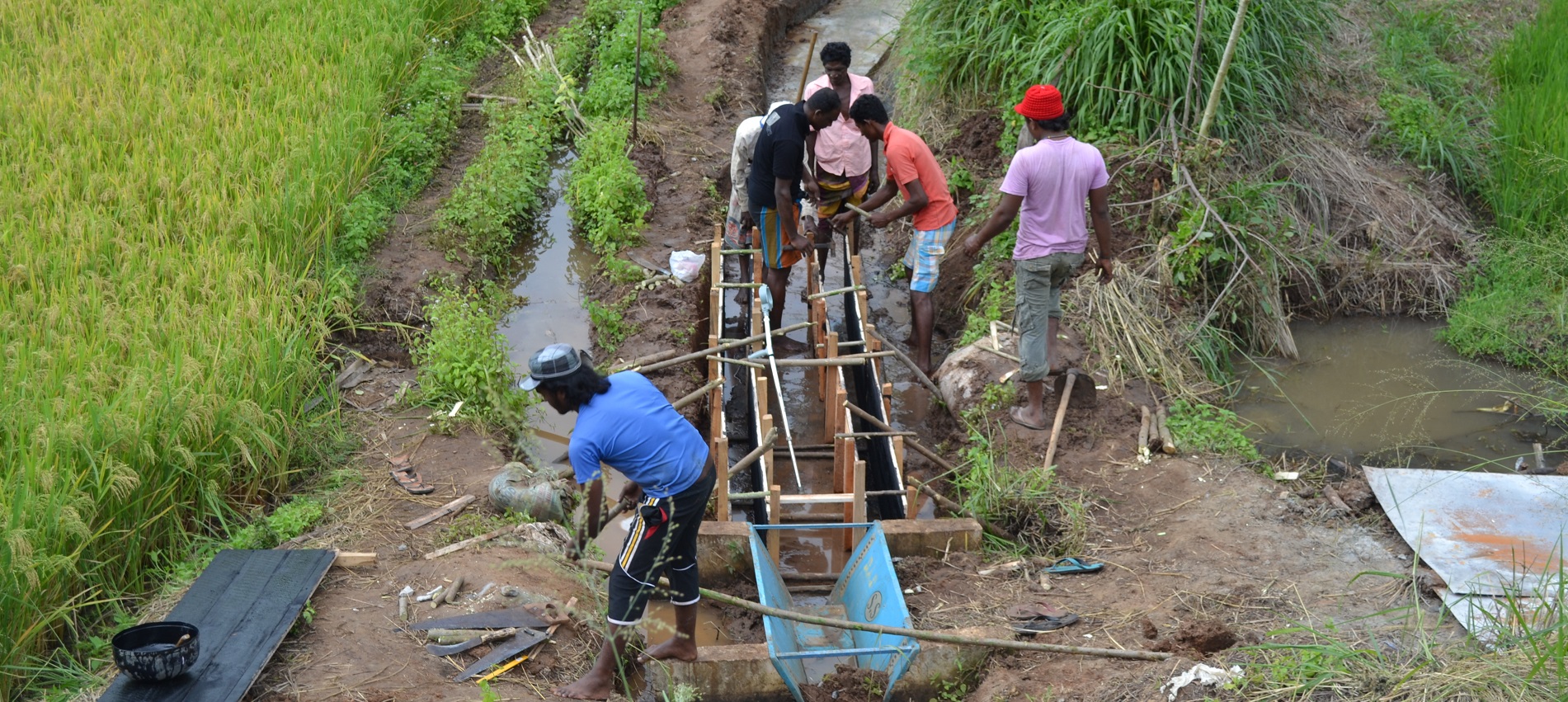
Realizing community potential

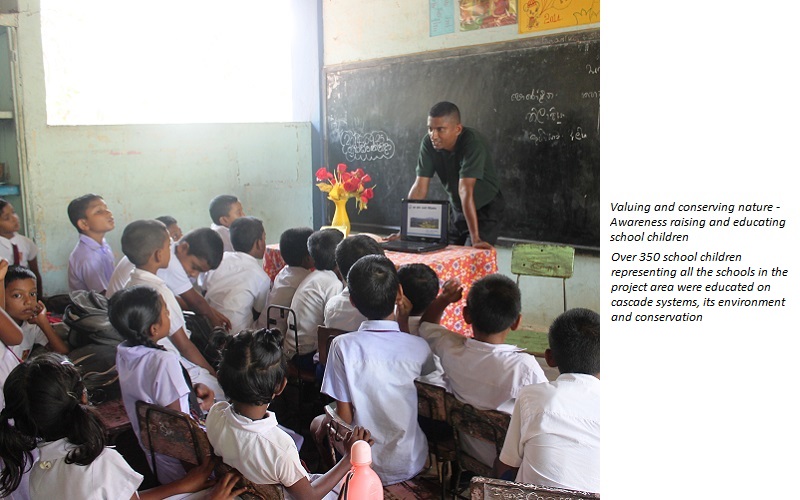
Learning about nature
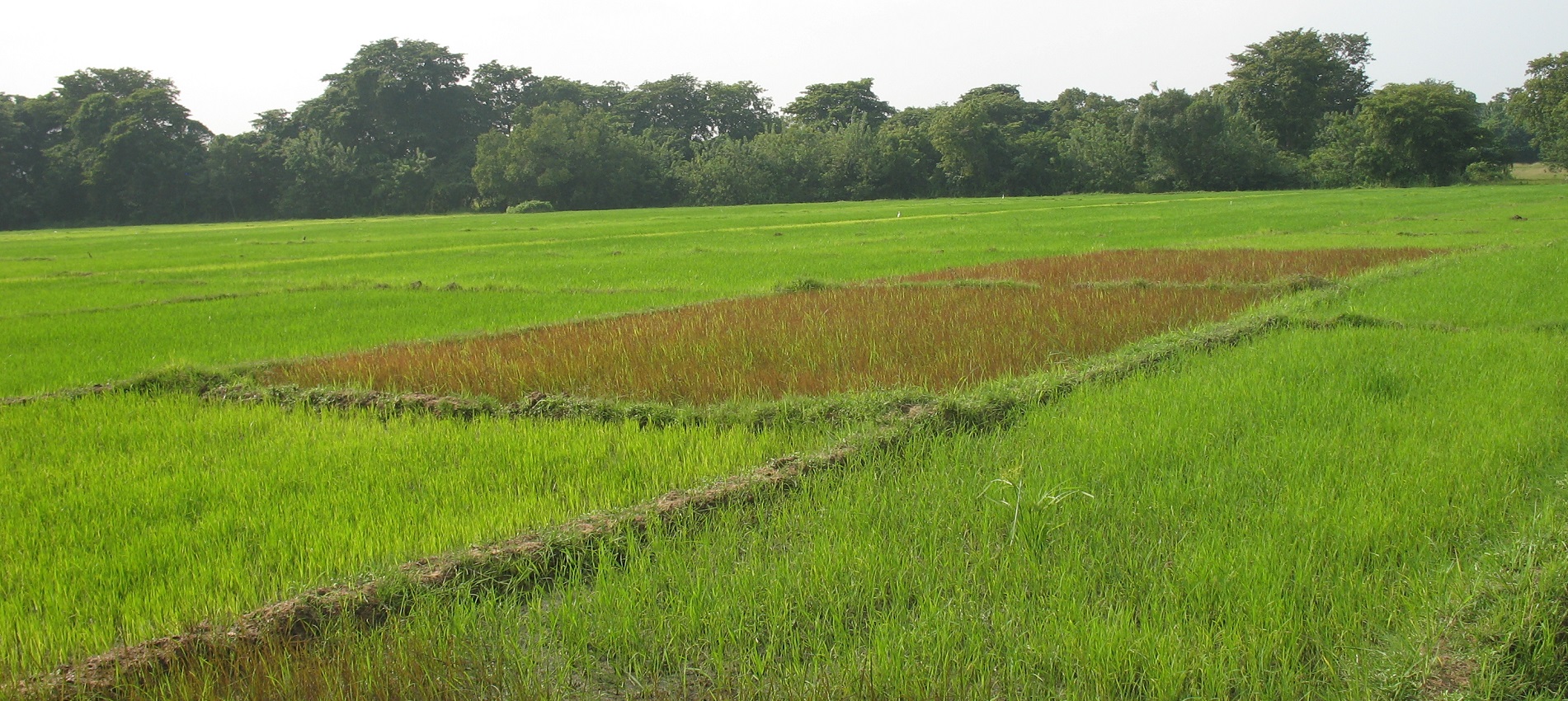
Standout from the rest
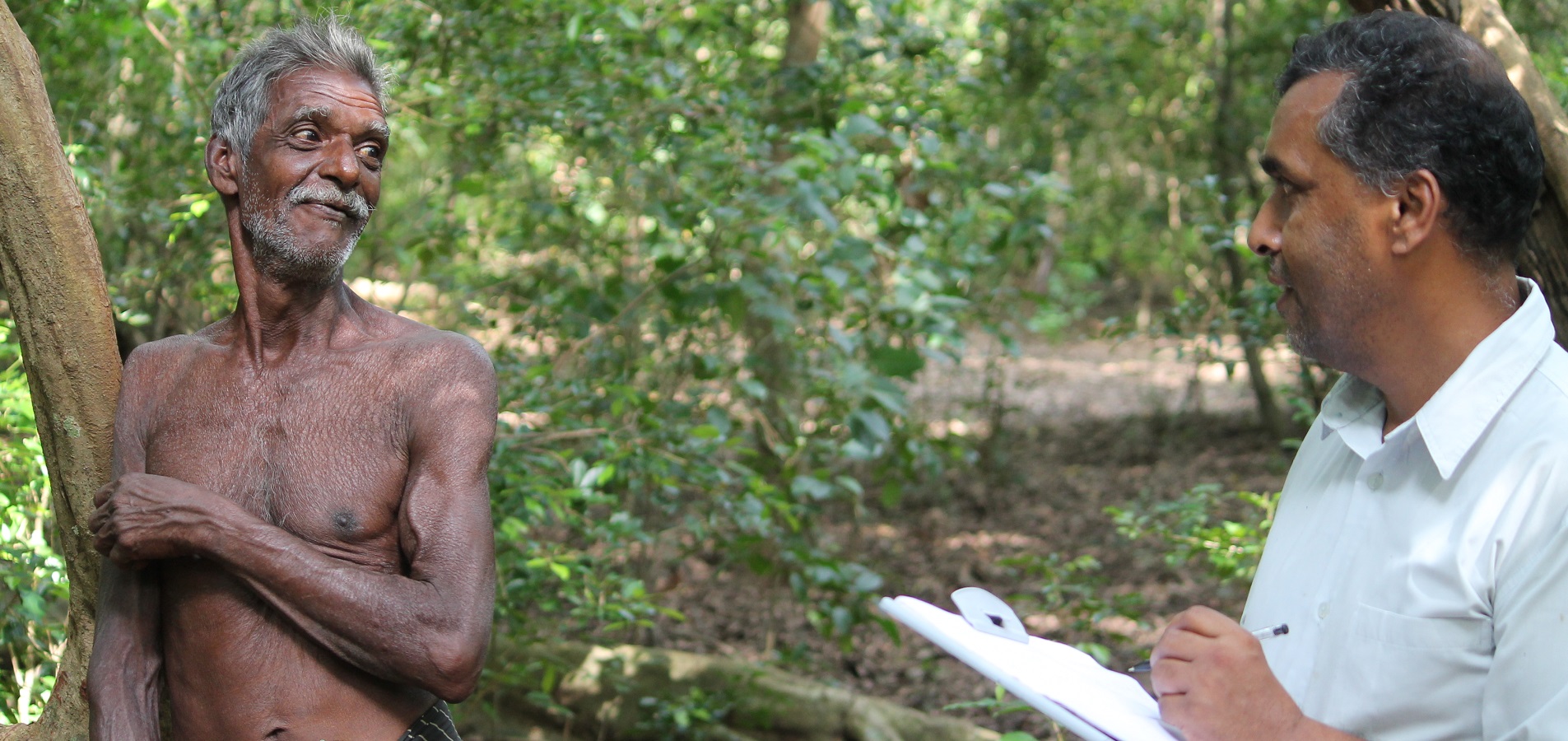
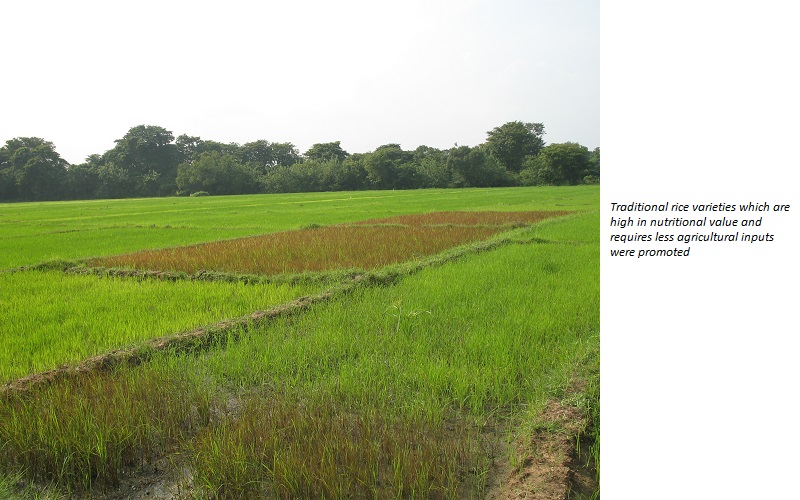
Valuing traditional Knowledge
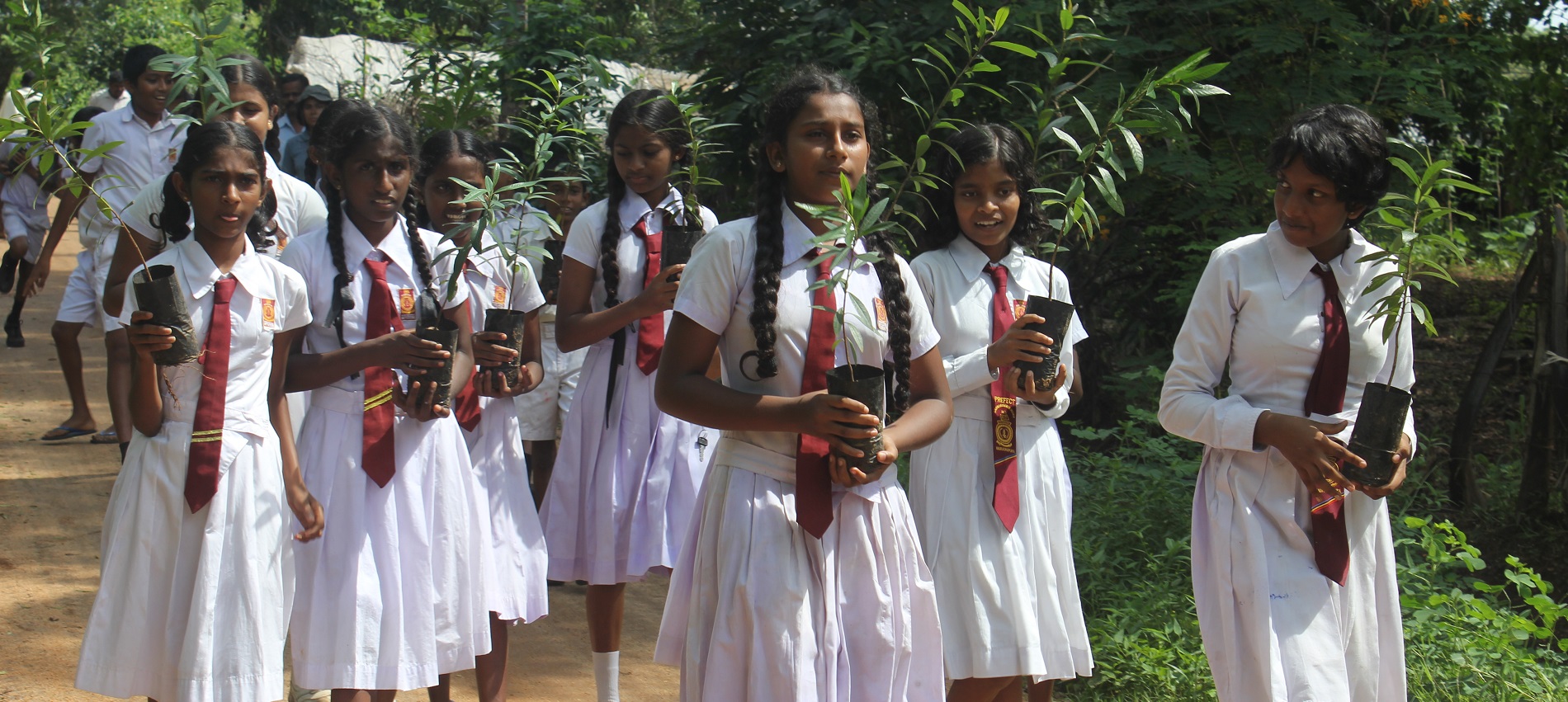
For a better future
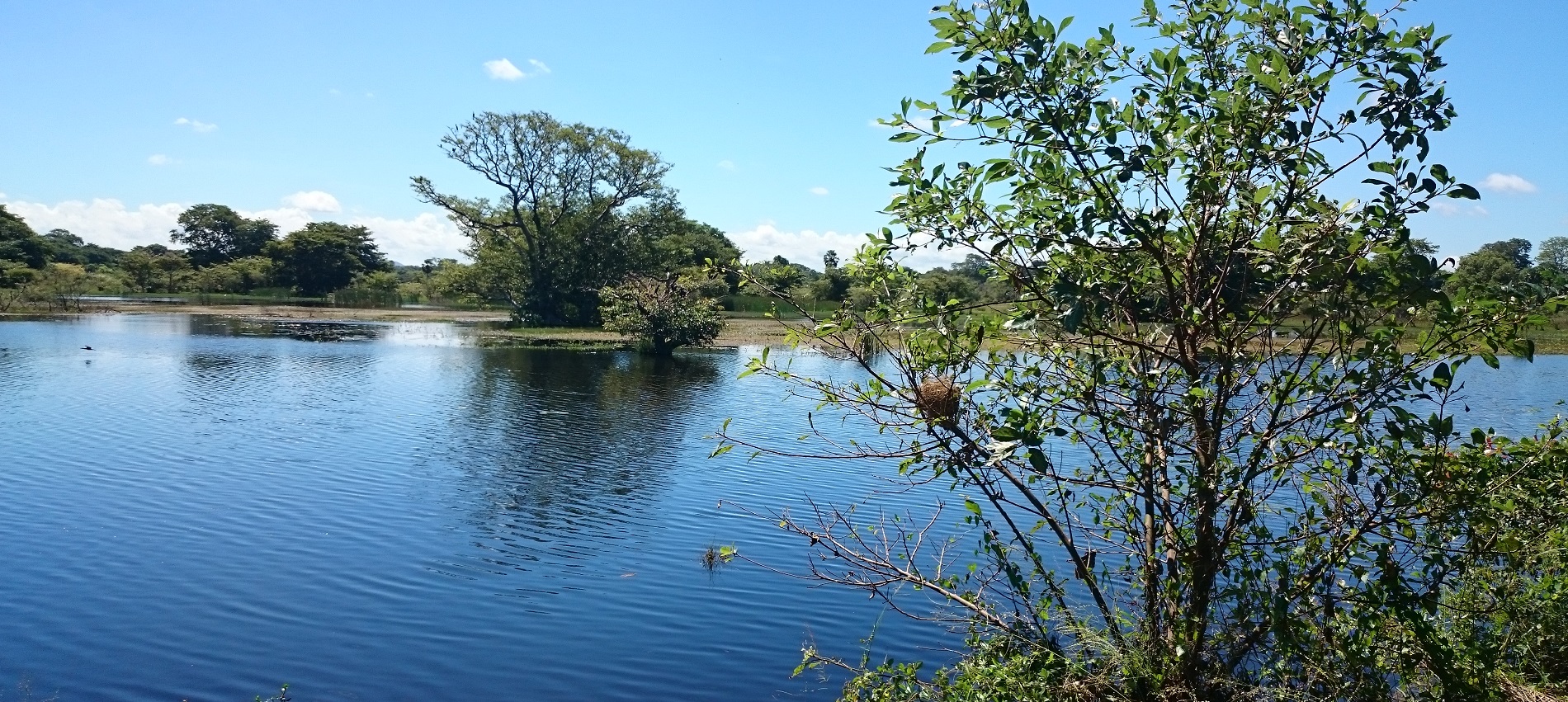
A small tank cascade system is a network of inter-connected man-made reservoirs, built in the drought-prone areas, in order to provide water all year round. In ancient times, these systems functioned sustainably, in harmony with the environment and were maintained by the communities that benefitted from them. There are over 1,000 of such small tank systems in the dry zone of Sri Lanka. However, in future, many of these tank cascade systems are deteriorated and abandoned owing to mismanagement.
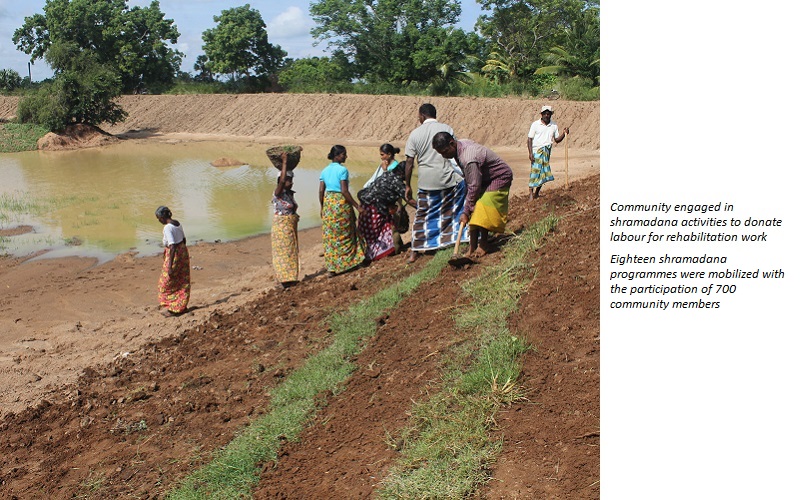
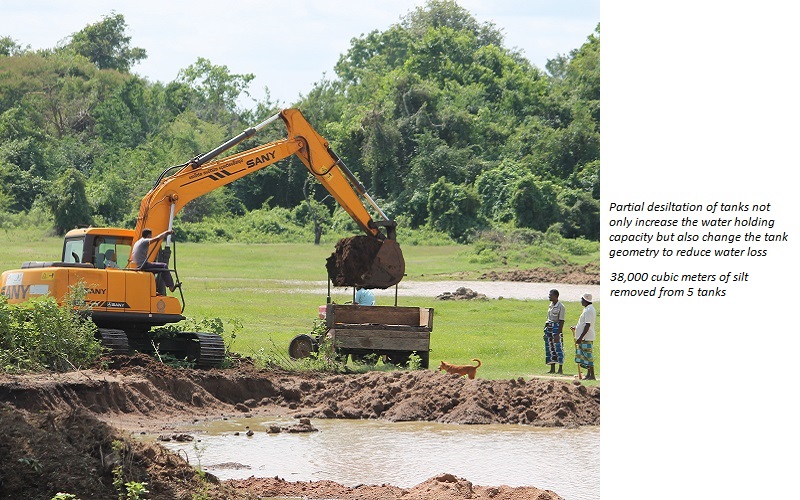
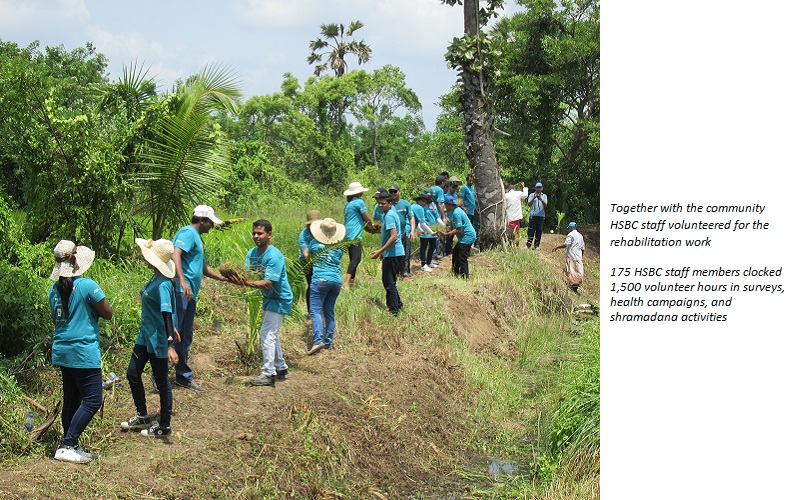
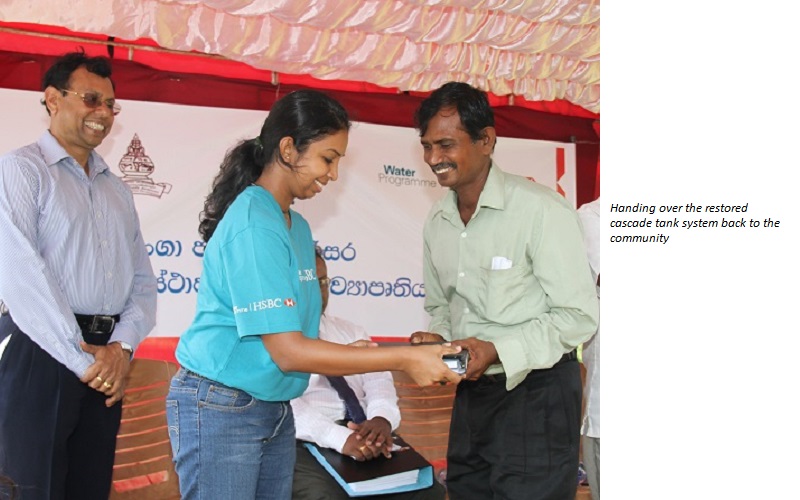
With the financial assistance from HSBC Water Programme, IUCN partnered with the Department of Agrarian Development to ecologically restore the Kapiriggama small tank cascade system in Anuradhapura District. The project addressed critical issues in the target area such as low cropping intensity, tank sedimentation, high tank water loss, and low productivity.
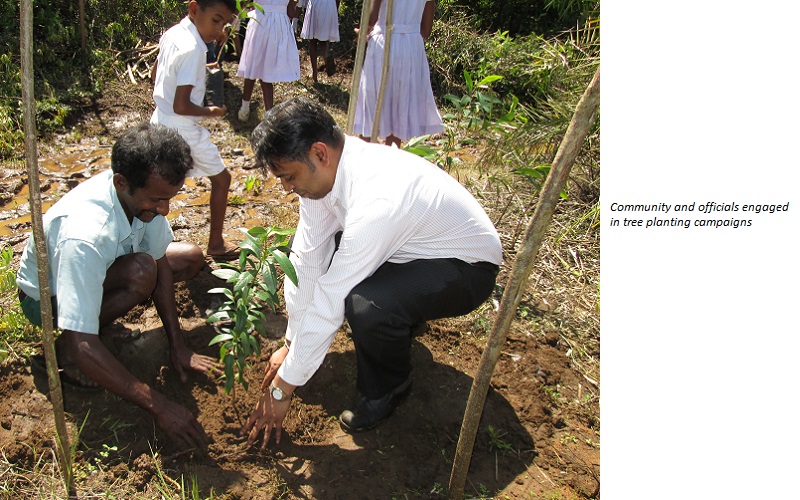
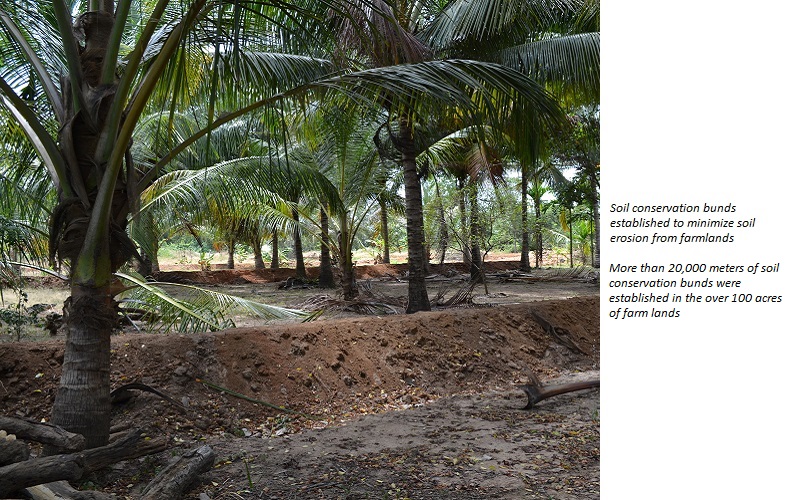
The project successfully achieved increased availability of water for drinking and domestic uses, soil fertility enhancement, soil and water conservation, community empowerment, and strengthening institutional mechanism for cascade natural resources management. The project took initiatives to improve the vegetation of the cascade which would enhance the ecosystem services provided by the tank cascade in the long run.
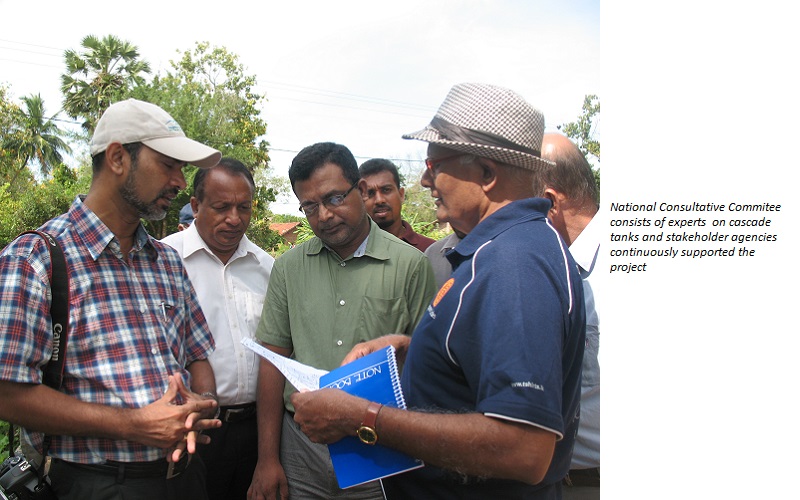
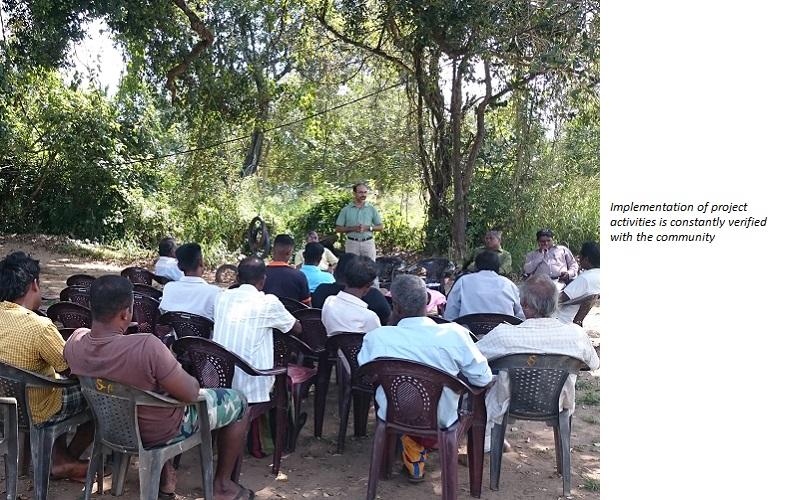
While proving the correct approach for tank restoration is to accept the cascade as basic working unit, the project demonstrated a multi-stakeholder approach – from government agencies, the scientific community, farmers, NGOs and the private sector – for successful cascade restoration.
The project duration was from January 2013 to March 2016.