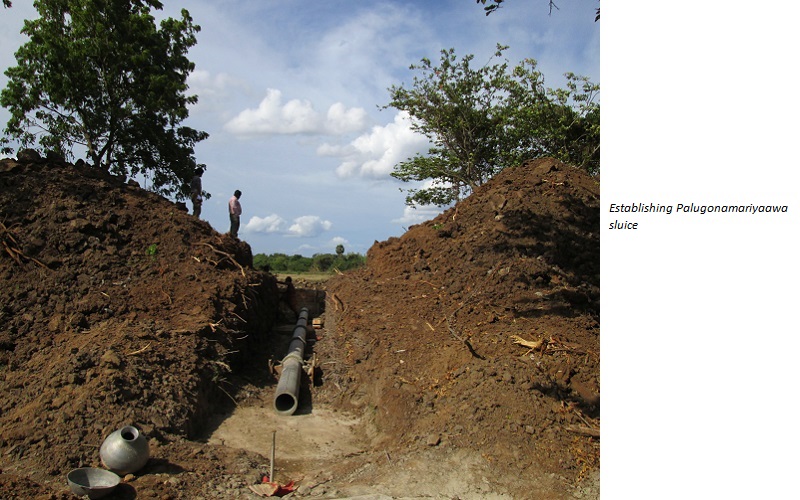
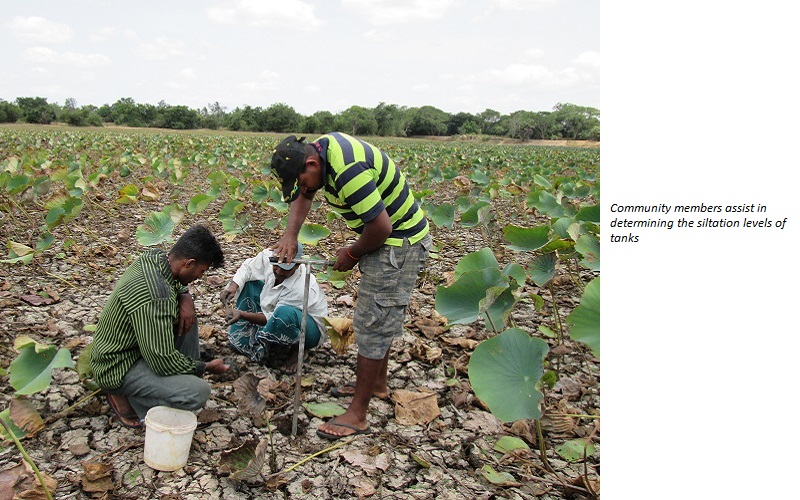
Physical Restoration
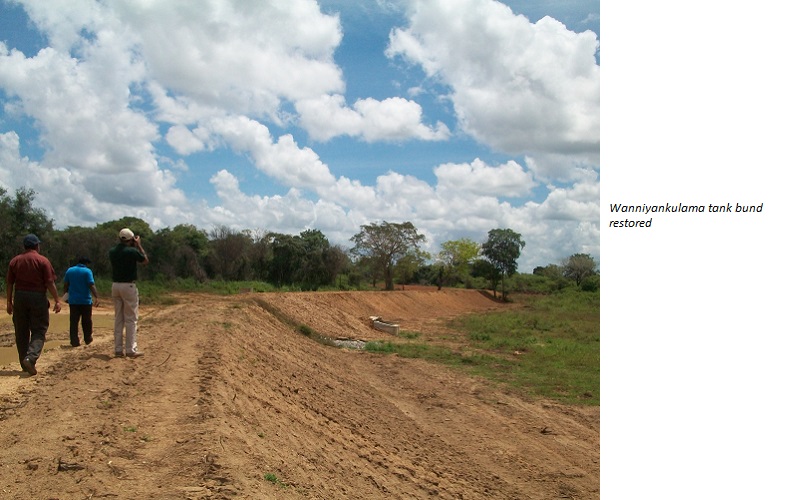
Minor tanks in the dry and intermediate zones of Sri Lanka are gradually becoming inefficient in providing an assured supply of irrigation water because of changes occurring in the size and shape of the tank bed. Water bodies become shallower as a consequence of sedimentation. An enormous amount of foreign aid and loans has been diverted, in the last few decades, to tank rehabilitation and restoration. In these programmes, the standard actions were to strengthen the tank bund, repair or replace structures, and regain the capacity lost due to sedimentation by raising the spill and the tank bund, thereby increasing the water holding capacity of the tank. However, because the tank is still silted, the water spread also increased, resulting in the formation of larger, shallower water bodies. Shallower, larger water bodies lose more water through evaporation and percolation. In addition, there has not been an increase in cropping intensity (the number of times a crop is grown in a given area) as a result of the interventions of the last few decades.
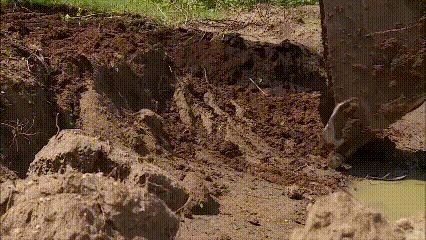
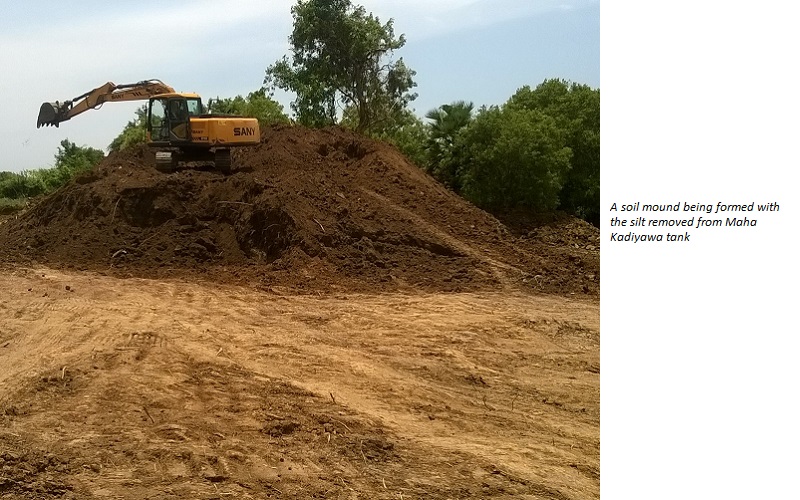
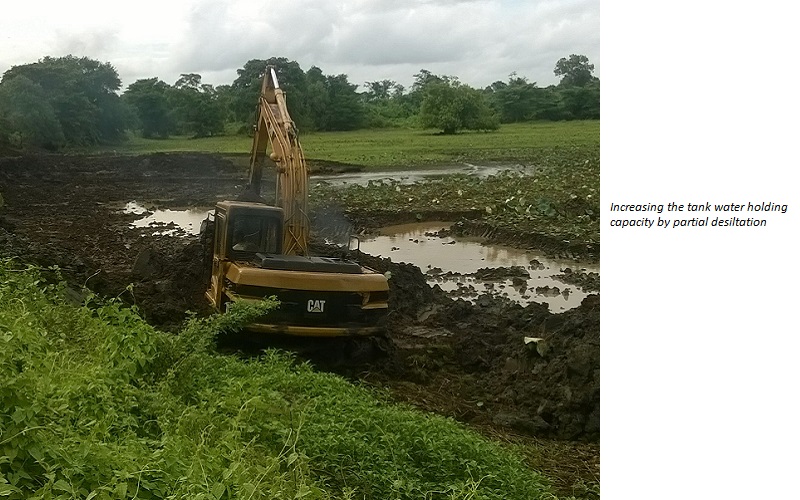
Partial Desiltation and forming Silt Ridges
In addition, the following environmental issues in the tank ecosystem were also observed:
- Disappearance of the gasgommana (see Brief # 1 for description), enhancing water loss;
- Development of salinity in the upstream area around full supply level, especially if the tank is second or third in the cascade;
- Flooding of upstream rice fields. This has caused conflict among village communities; and
- Disappearance of some of the fish species, which cannot survive in shallow waters.
Clearly, a new methodology for the restoration of small tanks is needed.
The project set out to
- Reduce water loss through infrastructure rehabilitation;
- Rehabilitate the irrigation system to provide adequate and good quality water;
- Reduce water loss in tanks by changing the shape and size of the tank bed; and
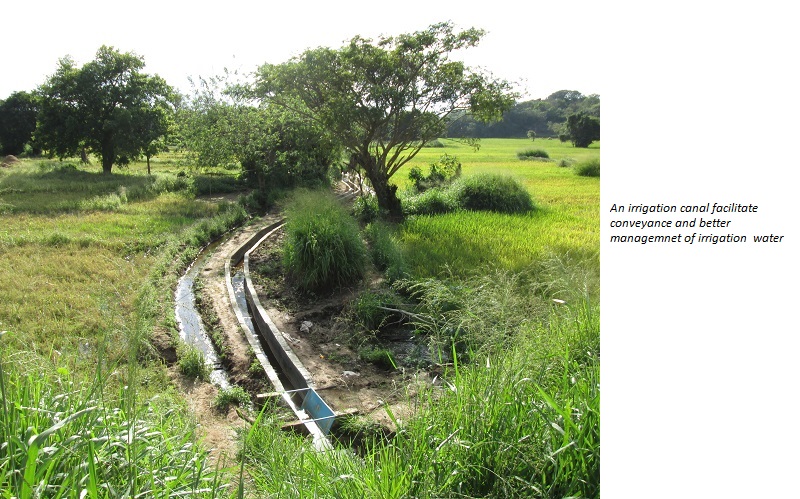
- Facilitate efficient water management through improved irrigation facilities.
| Project activity | Achievements |
|---|---|
| Conduct preliminary investigations in 21 tanks, tank bed surveys in 18 tanks, and sediment depth surveys in 6 tanks to identify rehabilitation needs and developing restoration plans Rehabilitation work (of tank bunds, sluices, spills, irrigation canals, water distribution structures, etc.) completed in 18 tanks in the Kapiriggama cascade Tank water holding capacity increased effectively by removing 38,000 m3 of silt from 5 tanks | 2,500 farmers from 11 villages received improved irrigation water availability for cultivating in both seasons, where previously it was possible for a lesser extent in the cascade. The potential cropping intensity of the cascade is increased from 0.8 to 1.5 (where the general maximum is 2.0) These interventions further enhances year around water availability for cultivation, domestic use, and ecosystem services |
| Arresting a leak of a reservoir which caused the loss of 50% of a reservoir capacity since 2004 and thereby not only double the cultivation capacity but also making water available for dry season domestic and environmental uses | 70 farmers are directly benefitted by this as they can double the cultivation extent (from 35 acres to 70 acres) under this tank. Furthermore, this intervention provides year round waster in the tank for the non-agricultural uses of the community, where they were deprived of during the past 12 years |